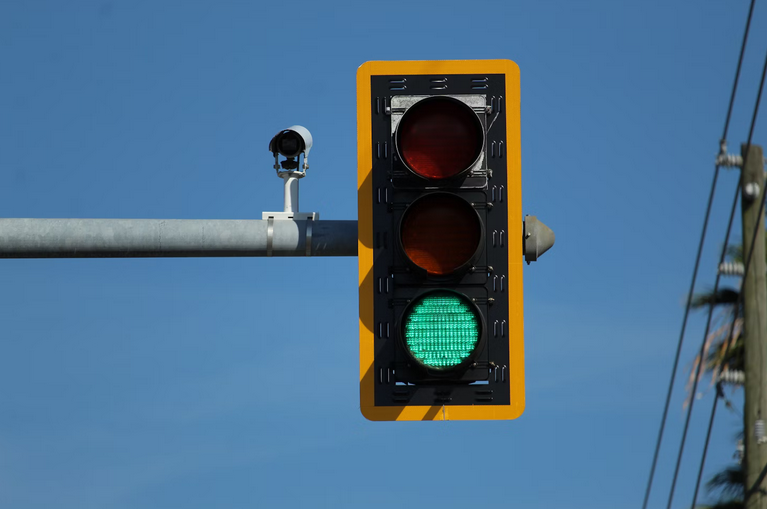
Fast Races Auto Ignoring Traffic Signals: Breaking the Red Light and Stop Sign Habit

Ignoring Traffic Signals: Breaking the Red Light and Stop Sign Habit

Ignoring Traffic Signals: Breaking the Red Light and Stop Sign Habit post thumbnail image

Have you ever found yourself tempted to breeze through a red light or roll past a stop sign, thinking it’s no big deal? It’s time to address the dangerous habit of ignoring traffic signals and prioritize safety on the roads. In this article, we’ll delve into the risks associated with disregarding traffic signals, explore why it’s essential to break this habit and provide practical tips to help you become a safer and more responsible driver.

Understanding the Temptation

The urge to ignore traffic signals often arises from impatience, a sense of invincibility, or simply the desire to save time. Aside from these common motivations, another significant factor contributing to the temptation to disregard traffic signals is the growing issue of mobile phone usage while driving. Checking your phone, no matter how great the cribbage jack crossword that you’re playing or how urgent the text threads you’re part of, poses a severe distraction that can divert your attention from the road and compromise your ability to react to changing traffic conditions. Safety should always take precedence over convenience.

The Danger of Disregarding Traffic Signals

Traffic signals, including red lights and stop signs, serve a crucial purpose in regulating the flow of traffic and preventing accidents. Ignoring these signals not only violates traffic laws but also increases the risk of collisions, injuries, and fatalities. Every intersection presents an opportunity to make a split-second decision that can have far-reaching consequences.

The Consequences of Non-Compliance

The Consequences of Non-Compliance

Running a red light or failing to come to a complete stop at a stop sign can result in serious legal and financial repercussions. In addition to fines and penalties, drivers may face increased insurance rates, points on their driving record, and even license suspension in severe cases. More importantly, the risk of causing an accident and injuring oneself or others is a consequence that cannot be ignored.

Breaking the Habit: Practical Tips

  • Mindful Awareness: Stay vigilant and attentive while approaching intersections. Remind yourself of the importance of obeying traffic signals and the potential consequences of ignoring them.
  • Anticipate Changes: Be prepared to come to a complete stop as you approach traffic signals. Scan the intersection for pedestrians, cyclists, and other vehicles, and be ready to yield the right of way when necessary.
  • Exercise Patience: Understand that traffic signals are in place to ensure the orderly and safe movement of vehicles. Exercise patience and respect for other road users by adhering to traffic laws, even if it means waiting a few extra moments.

As we navigate our daily journeys, let’s make a commitment to stop for safety. By breaking the habit of ignoring traffic signals, we can reduce the risk of accidents, protect lives, and foster a culture of responsible driving. Together, let’s prioritize safety, respect the rules of the road, and ensure that every intersection is a safer place for all.

Related Post

man with phone

Choosing the Best Online Auto Parts StoreChoosing the Best Online Auto Parts Store

It is no surprise that many online retailers are selling different auto parts online. There are many advantages of becoming a car owner, and there are also disadvantages. One disadvantage you will face when owning a car is that they tend to break down now and then.

You may need to buy auto parts for your vehicle often. It is fair to state that many car owners are not experienced in buying spare parts online. If you are among the many new online stores selling car parts, you may face some difficulties. Here are some important tips that will guide you to choose the best online auto parts store.

The Parts Being Sold

mechanicAs there are many online stores, some car owners find it overwhelming, and the fact that most stores claim to be the best makes the situation more challenging. To find the best auto parts store online, you should consider the types of auto parts being old. You do not have to be an experienced car mechanic to know that vehicles are made with many components. If your car has a mechanical problem, it may need a particular car part to be replaced.

You need to ensure that the online store you select sells the type of parts you need. It is crucial to note that some parts may only be compatible with a specific car model or brand. Avoid online stores that do not sell the specific type of auto part you require.

The Price

manThe second factor you should consider when chasing an online auto store is the price. As you will find out when you visit several online stores, retailers tend to sell auto parts at different prices. Each person has financial capabilities that vary, and this means that you will have an ideal price in mind that may not be the same as what others view as suitable.

It is crucial to point out that online stores that sell auto parts considered pricey tend to sell quality parts. If you would like to use your money wisely, you should make an effort to write a budget. Ensure the online store you select sells the parts you require at a price that seems reasonable to you.

The Ratings

As online stores have based their operations online, it will pay off to consider online ratings. Stores with high approval ratings will offer great services compared to others who do not have high ratings. Apart from online ratings, it will help if you consider online reviews and comments from those who have bought auto parts from a particular online store before.

Consider the information above to get the best online auto parts store.

people

What to Check Before Renting a Car in a New Country: A Comprehensive GuideWhat to Check Before Renting a Car in a New Country: A Comprehensive Guide

Picture this: you’ve just landed in a new country, your bags are packed, and you’re ready to hit the open road. Renting a car is your ticket to exploring scenic landscapes, quaint villages, and vibrant cityscapes at your own pace. But before you dive into the adventure, there’s one key piece of paperwork to get right—your carta internacional de condução. Ensuring you have this essential document is just the beginning. Navigating the world of international car rentals can be a bit like driving in a new city—exciting but potentially tricky if you’re not prepared. Check out these top five essential things to verify before you get behind the wheel. Buckle up, and let’s dive into your pre-road trip checklist!

Verify Driving License and International Documentation

Verify Driving License and International DocumentationBefore you even consider picking up your rental car, ensure that your driving credentials are in order. Most countries require a valid domestic driving license, and many also mandate an International Driving Permit (IDP). An IDP translates your license into multiple languages, making it easier for local authorities to verify your qualifications. Check the specific driving requirements of the country you are visiting to avoid any legal issues. Additionally, make sure your driving license is current and not nearing expiration.

Understand Local Traffic Laws and Road Regulations

Each country has its own set of traffic laws and road regulations, which can vary significantly from those in your home country. Before you drive, familiarize yourself with the local driving rules, such as speed limits, road signs, and regulations concerning seat belts and mobile phone use. Understanding these rules will help you avoid fines and ensure a safer driving experience. Many rental companies provide information on local driving laws, but doing your research can provide a more comprehensive understanding.

Check the Rental Car Insurance Coverage

Insurance is a critical aspect of renting a car, especially in a new country. Review the insurance options offered by the rental company and consider whether you need additional coverage beyond the basic policy. This could include collision damage waiver (CDW), theft protection, or personal accident insurance. Verify what is covered under the rental agreement and assess if your credit card or travel insurance offers any additional coverage. Ensuring you have adequate insurance will protect you from unexpected expenses in case of accidents or damage.

Inspect the Rental Car Thoroughly

Before driving away, conduct a thorough inspection of the rental car. Check for any pre-existing damage and ensure that the rental agency documents it. Please take photos of the car from multiple angles to record its condition. Verify that all essential features, such as lights, brakes, and tires, are functioning properly. Ensuring the car is in good condition will help you avoid disputes over damage charges when you return the vehicle.

Understand the Rental Terms and Conditions

carCarefully read and understand the rental agreement, including the terms and conditions. Pay attention to details such as fuel policies, mileage limits, and late return fees. Be aware of any additional charges that may apply, such as those for extra drivers or GPS systems. Knowing the rental terms will help you avoid unexpected fees and ensure that you are aware of your responsibilities as a renter. Renting a car in a new country can greatly enhance your travel experience, offering the flexibility to explore at your own pace.

However, thorough preparation is essential to ensure a smooth and enjoyable experience. By verifying your driving credentials, understanding local traffic laws, checking insurance coverage, inspecting the car, and understanding rental terms, you can avoid common pitfalls and drive with confidence. With these precautions in place, you’ll be well-prepared to navigate foreign roads and make the most of your journey. Safe travels and happy driving!

snow

5 Top Mistakes to Avoid When Buying a Used Car5 Top Mistakes to Avoid When Buying a Used Car

Buying a used car might appear straightforward, but without the right approach, it can quickly become a costly decision. Whether you’re upgrading your current vehicle or buying your first, understanding what pitfalls to steer clear of can help protect your finances and your peace of mind. Below are five critical mistakes that many buyers make—mistakes that you’ll want to avoid for a smoother, smarter experience.

Skipping the Vehicle History Report

One of the most frequent oversights buyers make is failing to check the vehicle history report. This document reveals vital information such as accident records, previous ownership, mileage inconsistencies, and whether the car has been classified as salvage. Relying solely on a seller’s description is risky. A quick report through a reputable source could save you from buying a car with a hidden past. Without this step, you’re essentially agreeing to a blindfolded purchase. Even a vehicle that looks spotless on the surface may have been involved in serious accidents or suffered flood damage—issues that are not immediately apparent during a test drive.

Not Getting an Independent Inspection

A common assumption is that a car that “runs fine” must be in excellent condition. This couldn’t be further from the truth. Even if you’re buying from a dealer, it’s worthwhile to invest in a third-party inspection. Mechanics can detect underlying problems that the average buyer would overlook. An independent review isn’t about distrust—it’s a logical layer of protection. It offers a more grounded perspective on the vehicle’s current state and potential repair needs, helping you avoid unpleasant surprises later.

Being Too Eager to Close the Deal

car

Buying a used car involves more than just finding something affordable and paying for it. Many buyers rush into agreements without negotiating or exploring other options. This eagerness can lead to paying more than necessary or agreeing to unfavorable terms. Take your time. Compare vehicles, question the asking price, and don’t hesitate to walk away if something feels off. Sellers are typically more open to reasonable negotiations than they let on. Your willingness to wait and compare can lead to significant savings.

Ignoring Total Ownership Costs

While the upfront price of a used car may look appealing, the long-term costs are equally important. Maintenance, insurance, fuel consumption, and even tax implications should be considered. Some models are notoriously expensive to maintain, and others may be difficult to insure due to limited parts or previous modifications. It’s easy to be lured by a vehicle’s aesthetic or features, but buying without factoring in ownership costs is an expensive misstep. Research model-specific issues and average upkeep costs to assess whether it fits comfortably within your budget in the long run.

sale

Not Researching the Seller

Whether you’re purchasing from a private individual or a dealership, doing some background research on the seller is essential. Look up reviews, ask for references if applicable, and verify their business history. An untrustworthy seller can mask problems, misrepresent facts, or pressure you into a bad deal. It’s also helpful to explore professional services with strong reputations, especially those experienced in transportation logistics. For instance, if you’re dealing with the transfer of a purchased vehicle, experienced operators can help facilitate a smoother, more organised process.