
Fast Races Auto Why Short Drives Can Be Worse for Your Engine Than Long Trips

Why Short Drives Can Be Worse for Your Engine Than Long Trips

Why Short Drives Can Be Worse for Your Engine Than Long Trips post thumbnail image

Short drives seem harmless. Many people use their cars for quick errands or short commutes. It feels convenient and efficient. However, these short trips can have a negative effect on your engine over time. Unlike long drives, short trips do not allow the engine to reach its optimal operating condition. This difference may seem small, but it can lead to long-term wear and reduced performance. Understanding how this happens can help drivers make better decisions about vehicle use and maintenance.

Engine Warm-up and Operating Temperature

Every engine is designed to work best at a certain temperature. When you start your car, the engine is cold. It takes time for the oil and components to warm up. During this period, the engine is not running at peak efficiency. On a short drive, the engine may never reach this ideal temperature. The trip ends before the system stabilizes. As a result, the engine spends most of its time in a less efficient state. Long trips allow the engine to fully warm up. Once it reaches the proper temperature, the oil flows better, and the parts move smoothly. This reduces strain and helps maintain performance.

Oil Performance and Lubrication

Engine oil plays a critical role in reducing friction. When the engine is cold, the oil is thicker and does not circulate as easily. This can lead to increased wear on internal parts. Short drives do not give the oil enough time to thin out and move effectively. The engine continues to operate under less favorable conditions. Over time, this can affect the lifespan of key components. Longer trips allow the oil to reach the right consistency. This improves lubrication and protects the engine. Proper oil performance is essential for maintaining reliability.

Moisture Build-up Inside the Engine
Moisture Build-up Inside the Engine

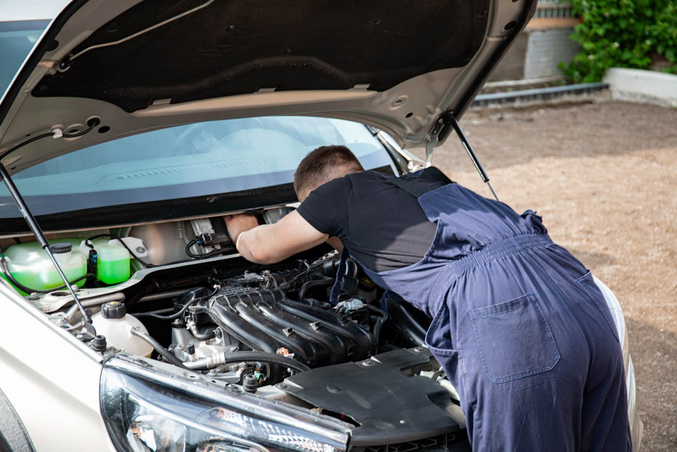
Moisture can form inside the engine during operation. This is a normal process. However, it needs to be burned off through heat. Short drives often do not generate enough heat to remove this moisture. As a result, it can accumulate over time. This can lead to corrosion and sludge formation. Long drives help eliminate moisture. The sustained heat allows water vapor to evaporate. This keeps the engine cleaner and reduces the risk of internal damage.

Fuel Efficiency and Combustion Issues

Short trips can also affect fuel efficiency. When the engine is cold, it uses more fuel. This is part of the process to help it warm up. If the drive is too short, the engine remains in this higher fuel consumption phase. This leads to increased fuel use over time. Incomplete combustion can also occur. The engine may not burn fuel as efficiently during short trips. This can result in carbon deposits. These deposits can affect performance and increase maintenance needs.

Battery and Electrical System Strain

Battery and Electrical System Strain

The battery works harder during short drives. Starting the engine requires a significant amount of power. After starting, the alternator recharges the battery. On short trips, there may not be enough time for the battery to fully recharge. Repeated short drives can weaken the battery over time. Longer drives allow the charging system to restore battery levels. This helps maintain a stable electrical system. A well-charged battery supports reliable vehicle operation.

Long-Term Effects on Engine Health

The combined impact of short drives can be significant. Increased wear, moisture build-up, and poor lubrication all contribute to engine stress. These factors may not cause immediate problems, but they can reduce the engine’s lifespan. Maintenance costs may also increase. Issues such as sludge, carbon deposits, and battery problems can require repairs. These costs can add up over time. Balancing short and long drives can help reduce these effects. Occasional longer trips allow the engine to operate under optimal conditions. This helps maintain overall health and performance.

Short drives may seem convenient, but they can place extra strain on your engine. The lack of proper warm-up, reduced oil performance, and moisture build-up all contribute to long-term wear. Understanding these effects helps drivers make informed choices. While short trips cannot always be avoided, combining them with longer drives can improve engine condition. Proper maintenance and mindful driving habits can support better performance. By paying attention to how your vehicle is used, you can help ensure it remains reliable and efficient over time.

Related Post

winter

Looking for a Winter Car or SUV? Consider These EV Snow WarriorsLooking for a Winter Car or SUV? Consider These EV Snow Warriors

Winter isn’t always the greatest time for electric vehicles. Cold weather can impact their range and performance, especially when it comes to EVs that are already somewhat limited in range. But it doesn’t mean that you can’t get an EV that is also tank-built for winter.

In fact, there are several EVs that are great for winter driving. If you want to get through the winter without having to fill up your tank, consider these electric snow warriors. There are some electric vehicles that are exceptionally good in the snow. These models offer the traction and handling you need to get through the winter without having to fill up your tank. What are those models? Let’s find out.

Audi e-Tron Quattro SUV

audi

This all-electric SUV is designed to handle snowy roads like a champ, thanks to its Quattro all-wheel drive (AWD) system that provides outstanding traction and stability. With its spacious interior and cutting-edge technology, you can conquer those icy commutes with utmost comfort. But what truly sets the Audi e-Tron Quattro apart is its innovative battery heating system. This clever feature ensures that your EV will be ready for action even in freezing temperatures by always keeping the battery at an optimal temperature for maximum efficiency.

Ford Mustang Mach-E

Let me tell you, this Mustang is not the typical muscle car you often see in any american mall movie. It’s an electric SUV that packs a punch, especially when it comes to winter driving. With its all-wheel drive and powerful electric motors, this beast can handle snow-covered roads with ease. But what really makes the Mustang Mach-E outstanding in its class is its range. You don’t have to worry about running out of juice in the middle of a blizzard. It has enough battery capacity to keep you going for miles and miles, even in cold weather conditions. So, if you’re looking for a winter SUV that combines power, style, and eco-friendliness, the Ford Mustang Mach-E should be your ace.

Jaguar I-PACE

That’s right. This sleek and stylish vehicle not only offers impressive performance but also comes equipped with features to tackle snowy roads. The I-PACE boasts all-wheel drive, which means it can distribute power to both the front and rear wheels for enhanced traction on slippery surfaces. Its advanced suspension system helps maintain stability while driving on icy or snowy roads, ensuring a smooth and confident ride.

Subaru Solterra

subaru

With its symmetrical all-wheel-drive system and advanced traction control, the Subaru Solterra offers exceptional stability and grip on slippery roads. Whether you’re navigating through slushy city streets or venturing off-road into snowy wilderness, this SUV has got you covered. With standard features like articulated, heated seats, a heated steering wheel, and a de-icer for your windshield wipers, it’s clear that Subaru designed this vehicle with winter warriors in mind. So, if you’re ready to take on whatever Mother Nature throws your way this winter, consider the Subaru Solterra as your snow warrior of choice.

Wrapping Up

There you have it – a lineup of winter warriors that are ready to take on the snowy, icy roads with ease. Whether you’re looking for an SUV or a car, these electric vehicles are equipped to handle the toughest winter conditions. Don’t let winter weather hold you back from enjoying your daily commute or weekend adventures. Choose one of these snow-ready EVs and experience a whole new level of confidence on those slippery roads.

car exhaust

The Important Parts of Your Car’s Exhaust SystemThe Important Parts of Your Car’s Exhaust System

Like most drivers, you probably don’t give much thought to your exhaust system. But the fact is, it’s one of the most important parts of your car. Your exhaust system helps keep your engine running efficiently and protects it from harmful emissions. In this blog post, we will discuss the exhaust system parts and explain why they are important.

Exhaust Manifold

The first part of your exhaust system, connected to the cylinder head, is the exhaust manifold. It collects and directs gasses from each cylinder into the exhaust pipes. The material used for this part depends on your engine type: cast iron, aluminum or stainless steel. It’s important to keep this area free from corrosion or clogs, as it will affect the efficiency of your engine.

Catalytic Converter

hoodThe catalytic converter is designed to reduce harmful emissions from exhaust gasses. It converts carbon monoxide, hydrocarbons and nitrogen oxides into harmless compounds like water vapor and nitrogen gas.

If the catalytic converter is not functioning properly, it can lead to increased emissions and other engine problems.

Oxygen Sensor

The oxygen sensor is another important part of your exhaust system. It measures the amount of oxygen from your engine and helps adjust the air-fuel mixture ratio for optimal efficiency. When the oxygen sensor isn’t working correctly, it can lead to poor fuel economy and increased emissions.

Exhaust Pipes

pipeThe exhaust pipes are responsible for carrying the gasses away from the engine. They come in various materials, including stainless steel, aluminum and mild steel. The size and shape of these pipes affect the sound of your car’s exhaust, so it’s important to get the right fit for your vehicle.


The muffler is the last part of your exhaust system, and its primary purpose is to reduce the noise generated by the engine. It does this by diffusing and reflecting sound waves away from the vehicle. The material used for this part also varies depending on engine type: stainless steel, aluminized steel, or a composite material like fiberglass.

Resonator

The resonator, also known as a “glasspack,” is an optional component of your exhaust system. Its purpose is to reduce backpressure, which can lead to engine performance issues. It does this by creating sound waves that cancel out the unwanted noise produced by the engine, providing better fuel efficiency and power output.

A properly functioning exhaust system is essential for your car’s performance and the environment. The parts discussed in this blog post are some of the most important components in your exhaust system, so ensure they’re kept up to date and serviced regularly. Doing so can ensure that your vehicle is running efficiently and keeping harmful emissions to a minimum.

traffic

Ignoring Traffic Signals: Breaking the Red Light and Stop Sign HabitIgnoring Traffic Signals: Breaking the Red Light and Stop Sign Habit

Have you ever found yourself tempted to breeze through a red light or roll past a stop sign, thinking it’s no big deal? It’s time to address the dangerous habit of ignoring traffic signals and prioritize safety on the roads. In this article, we’ll delve into the risks associated with disregarding traffic signals, explore why it’s essential to break this habit and provide practical tips to help you become a safer and more responsible driver.

Understanding the Temptation

The urge to ignore traffic signals often arises from impatience, a sense of invincibility, or simply the desire to save time. Aside from these common motivations, another significant factor contributing to the temptation to disregard traffic signals is the growing issue of mobile phone usage while driving. Checking your phone, no matter how great the cribbage jack crossword that you’re playing or how urgent the text threads you’re part of, poses a severe distraction that can divert your attention from the road and compromise your ability to react to changing traffic conditions. Safety should always take precedence over convenience.

The Danger of Disregarding Traffic Signals

Traffic signals, including red lights and stop signs, serve a crucial purpose in regulating the flow of traffic and preventing accidents. Ignoring these signals not only violates traffic laws but also increases the risk of collisions, injuries, and fatalities. Every intersection presents an opportunity to make a split-second decision that can have far-reaching consequences.

The Consequences of Non-Compliance

The Consequences of Non-Compliance

Running a red light or failing to come to a complete stop at a stop sign can result in serious legal and financial repercussions. In addition to fines and penalties, drivers may face increased insurance rates, points on their driving record, and even license suspension in severe cases. More importantly, the risk of causing an accident and injuring oneself or others is a consequence that cannot be ignored.

Breaking the Habit: Practical Tips

  • Mindful Awareness: Stay vigilant and attentive while approaching intersections. Remind yourself of the importance of obeying traffic signals and the potential consequences of ignoring them.
  • Anticipate Changes: Be prepared to come to a complete stop as you approach traffic signals. Scan the intersection for pedestrians, cyclists, and other vehicles, and be ready to yield the right of way when necessary.
  • Exercise Patience: Understand that traffic signals are in place to ensure the orderly and safe movement of vehicles. Exercise patience and respect for other road users by adhering to traffic laws, even if it means waiting a few extra moments.

As we navigate our daily journeys, let’s make a commitment to stop for safety. By breaking the habit of ignoring traffic signals, we can reduce the risk of accidents, protect lives, and foster a culture of responsible driving. Together, let’s prioritize safety, respect the rules of the road, and ensure that every intersection is a safer place for all.