Fast Races Auto The Important Parts of Your Car’s Exhaust System

The Important Parts of Your Car’s Exhaust System

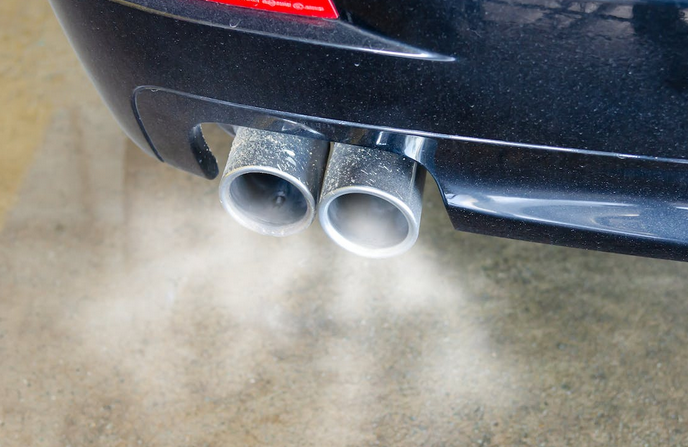
Like most drivers, you probably don’t give much thought to your exhaust system. But the fact is, it’s one of the most important parts of your car. Your exhaust system helps keep your engine running efficiently and protects it from harmful emissions. In this blog post, we will discuss the exhaust system parts and explain why they are important.

Exhaust Manifold

The first part of your exhaust system, connected to the cylinder head, is the exhaust manifold. It collects and directs gasses from each cylinder into the exhaust pipes. The material used for this part depends on your engine type: cast iron, aluminum or stainless steel. It’s important to keep this area free from corrosion or clogs, as it will affect the efficiency of your engine.

Catalytic Converter

hoodThe catalytic converter is designed to reduce harmful emissions from exhaust gasses. It converts carbon monoxide, hydrocarbons and nitrogen oxides into harmless compounds like water vapor and nitrogen gas.

If the catalytic converter is not functioning properly, it can lead to increased emissions and other engine problems.

Oxygen Sensor

The oxygen sensor is another important part of your exhaust system. It measures the amount of oxygen from your engine and helps adjust the air-fuel mixture ratio for optimal efficiency. When the oxygen sensor isn’t working correctly, it can lead to poor fuel economy and increased emissions.

Exhaust Pipes

pipeThe exhaust pipes are responsible for carrying the gasses away from the engine. They come in various materials, including stainless steel, aluminum and mild steel. The size and shape of these pipes affect the sound of your car’s exhaust, so it’s important to get the right fit for your vehicle.

The muffler is the last part of your exhaust system, and its primary purpose is to reduce the noise generated by the engine. It does this by diffusing and reflecting sound waves away from the vehicle. The material used for this part also varies depending on engine type: stainless steel, aluminized steel, or a composite material like fiberglass.

Resonator

The resonator, also known as a “glasspack,” is an optional component of your exhaust system. Its purpose is to reduce backpressure, which can lead to engine performance issues. It does this by creating sound waves that cancel out the unwanted noise produced by the engine, providing better fuel efficiency and power output.

A properly functioning exhaust system is essential for your car’s performance and the environment. The parts discussed in this blog post are some of the most important components in your exhaust system, so ensure they’re kept up to date and serviced regularly. Doing so can ensure that your vehicle is running efficiently and keeping harmful emissions to a minimum.

Related Post

motorcycle

Reasons People Buy MotorcyclesReasons People Buy Motorcycles

Over time, motorcycles have become more and more popular. As environment enthusiasts, they love having bikes as they are ecologically-friendly compared to other automobiles. They use up less fuel and, in turn, release little to no harmful chemicals to the environment. They are also flexible in more ways than just one. In this article, we have put together some of the reasons one can buy a motorcycle.

Affordability

MotorcyclesWhen compared to a car, a motorcycle costs about a third of what a car would cost. Not only is it cheaper during the purchase but also when it comes to gas and maintenance. Bikes do not break down that easily, and you will find that you spend less time and money on a mechanic when you own your bike. Also, the tires cost less than that of cars.

Diverse Options

Just like a car, you can change out parts of a motorcycle and install the ones you want. Other than just customizing your bike, you can also customize your gear from your boots, gloves, helmet, and leather jackets. You can choose the ones that fit your preference.

Convenience

If you have ever been stuck in traffic, you will understand why it is advantageous to own a motorcycle. Due to its body’s flexibility and the size of its parts, a rider can be able to maneuver its size through traffic, skipping the stress of having to wait. Also, if you need to get somewhere very quickly, using a bike would be the best option. This again is because of the flexibility.

Interactive Riding

Unlike cars, motorcycle riders have to be active when riding. You have to direct the body the way you desire for it to turn. For example, if you do not slant to the right extent when taking a corner, you might be able to make it through. The advantage of this is that it offers you a workout on a daily. The video below gives a couple of tips that are useful to new riders.

Thrill

Riding gives you a thrill that you can relate to freedom and happiness. When the wind is busting through your clothes and the air through your skin, you get this feeling that makes you release feel-good hormones, generating the thrill. 

There are many advantages when it comes to buying a motorcycle. From the thrill to the reliability and many more, it is safe to say that buying a motorcycle is a significant investment.

traffic

Ignoring Traffic Signals: Breaking the Red Light and Stop Sign HabitIgnoring Traffic Signals: Breaking the Red Light and Stop Sign Habit

Have you ever found yourself tempted to breeze through a red light or roll past a stop sign, thinking it’s no big deal? It’s time to address the dangerous habit of ignoring traffic signals and prioritize safety on the roads. In this article, we’ll delve into the risks associated with disregarding traffic signals, explore why it’s essential to break this habit and provide practical tips to help you become a safer and more responsible driver.

Understanding the Temptation

The urge to ignore traffic signals often arises from impatience, a sense of invincibility, or simply the desire to save time. Aside from these common motivations, another significant factor contributing to the temptation to disregard traffic signals is the growing issue of mobile phone usage while driving. Checking your phone, no matter how great the cribbage jack crossword that you’re playing or how urgent the text threads you’re part of, poses a severe distraction that can divert your attention from the road and compromise your ability to react to changing traffic conditions. Safety should always take precedence over convenience.

The Danger of Disregarding Traffic Signals

Traffic signals, including red lights and stop signs, serve a crucial purpose in regulating the flow of traffic and preventing accidents. Ignoring these signals not only violates traffic laws but also increases the risk of collisions, injuries, and fatalities. Every intersection presents an opportunity to make a split-second decision that can have far-reaching consequences.

The Consequences of Non-Compliance

The Consequences of Non-Compliance

Running a red light or failing to come to a complete stop at a stop sign can result in serious legal and financial repercussions. In addition to fines and penalties, drivers may face increased insurance rates, points on their driving record, and even license suspension in severe cases. More importantly, the risk of causing an accident and injuring oneself or others is a consequence that cannot be ignored.

Breaking the Habit: Practical Tips

  • Mindful Awareness: Stay vigilant and attentive while approaching intersections. Remind yourself of the importance of obeying traffic signals and the potential consequences of ignoring them.
  • Anticipate Changes: Be prepared to come to a complete stop as you approach traffic signals. Scan the intersection for pedestrians, cyclists, and other vehicles, and be ready to yield the right of way when necessary.
  • Exercise Patience: Understand that traffic signals are in place to ensure the orderly and safe movement of vehicles. Exercise patience and respect for other road users by adhering to traffic laws, even if it means waiting a few extra moments.

As we navigate our daily journeys, let’s make a commitment to stop for safety. By breaking the habit of ignoring traffic signals, we can reduce the risk of accidents, protect lives, and foster a culture of responsible driving. Together, let’s prioritize safety, respect the rules of the road, and ensure that every intersection is a safer place for all.

snow

5 Top Mistakes to Avoid When Buying a Used Car5 Top Mistakes to Avoid When Buying a Used Car

Buying a used car might appear straightforward, but without the right approach, it can quickly become a costly decision. Whether you’re upgrading your current vehicle or buying your first, understanding what pitfalls to steer clear of can help protect your finances and your peace of mind. Below are five critical mistakes that many buyers make—mistakes that you’ll want to avoid for a smoother, smarter experience.

Skipping the Vehicle History Report

One of the most frequent oversights buyers make is failing to check the vehicle history report. This document reveals vital information such as accident records, previous ownership, mileage inconsistencies, and whether the car has been classified as salvage. Relying solely on a seller’s description is risky. A quick report through a reputable source could save you from buying a car with a hidden past. Without this step, you’re essentially agreeing to a blindfolded purchase. Even a vehicle that looks spotless on the surface may have been involved in serious accidents or suffered flood damage—issues that are not immediately apparent during a test drive.

Not Getting an Independent Inspection

A common assumption is that a car that “runs fine” must be in excellent condition. This couldn’t be further from the truth. Even if you’re buying from a dealer, it’s worthwhile to invest in a third-party inspection. Mechanics can detect underlying problems that the average buyer would overlook. An independent review isn’t about distrust—it’s a logical layer of protection. It offers a more grounded perspective on the vehicle’s current state and potential repair needs, helping you avoid unpleasant surprises later.

Being Too Eager to Close the Deal

car

Buying a used car involves more than just finding something affordable and paying for it. Many buyers rush into agreements without negotiating or exploring other options. This eagerness can lead to paying more than necessary or agreeing to unfavorable terms. Take your time. Compare vehicles, question the asking price, and don’t hesitate to walk away if something feels off. Sellers are typically more open to reasonable negotiations than they let on. Your willingness to wait and compare can lead to significant savings.

Ignoring Total Ownership Costs

While the upfront price of a used car may look appealing, the long-term costs are equally important. Maintenance, insurance, fuel consumption, and even tax implications should be considered. Some models are notoriously expensive to maintain, and others may be difficult to insure due to limited parts or previous modifications. It’s easy to be lured by a vehicle’s aesthetic or features, but buying without factoring in ownership costs is an expensive misstep. Research model-specific issues and average upkeep costs to assess whether it fits comfortably within your budget in the long run.

sale

Not Researching the Seller

Whether you’re purchasing from a private individual or a dealership, doing some background research on the seller is essential. Look up reviews, ask for references if applicable, and verify their business history. An untrustworthy seller can mask problems, misrepresent facts, or pressure you into a bad deal. It’s also helpful to explore professional services with strong reputations, especially those experienced in transportation logistics. For instance, if you’re dealing with the transfer of a purchased vehicle, experienced operators can help facilitate a smoother, more organised process.