
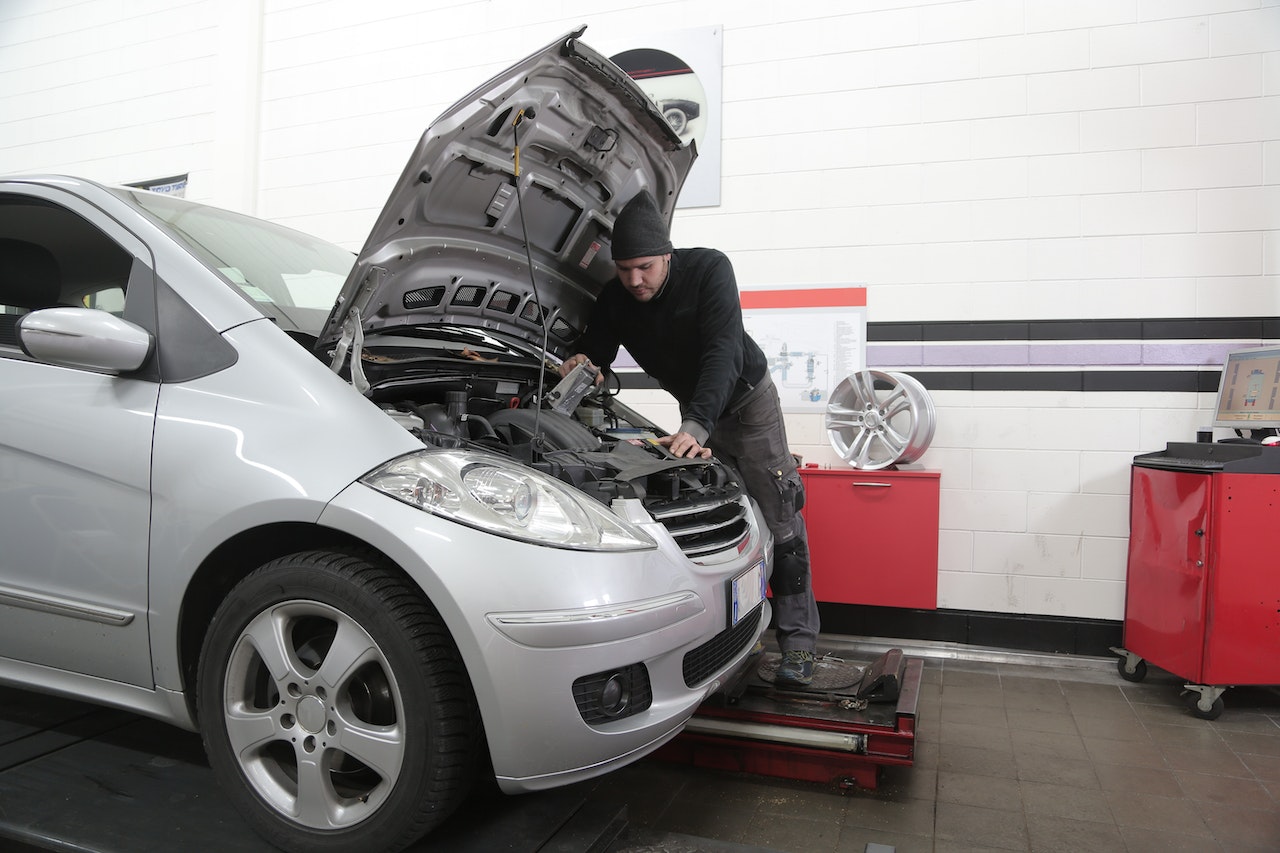
It’s no secret that cars are expensive. Between the initial purchase price and all the maintenance and repairs that will inevitably need to be done, it’s easy to see why car ownership can be a major expense. One way to help offset some of these costs is to find a reliable personal mechanic.
Mechanic Woolloongabba options can help keep your car running smoothly and prevent costly repairs down the road. This blog post will discuss why you should find a personal mechanic for your vehicle.
Knowledge and Experience
 An excellent personal mechanic will have extensive knowledge and experience with the type of car that you own. They will be familiar with your vehicle’s inner workings, so they can quickly diagnose any issues and get them fixed on time. Even with DIY car repairs, you may not have the proper tools or knowledge to diagnose and repair an issue. A personal mechanic will also be able to give you helpful insights into maintaining your car that can help prevent costly repairs in the future.
Cost Savings
Having a reliable personal mechanic can save you money in the long run. They’ll be able to quickly identify any issues with your vehicle and make the necessary repairs at a lower cost than what you would pay at a repair shop. Additionally, they can provide helpful advice on maintaining your car so that it runs smoothly for years to come.
Time Savings
Having a personal mechanic also saves you time. Instead of taking your car to a repair shop, your mechanic can come to you. It eliminates the need to drive back and forth from a shop, saving you time and money. If you don’t want to wait for your mechanic to come to you, mobile mechanics can come to your home or office.
Genuine Services
 A reliable personal mechanic will provide you with genuine services. They will not try to sell you unnecessary repairs or parts, and they can recommend the best course of action for your car based on their knowledge and experience. There have been cases of mechanics messing around with cars to increase their profit, but that won’t be an issue when you have a reliable personal mechanic. Overall, having a reliable personal mechanic is essential for any car owner.
They can help save you money and time while providing genuine services and advice that will help keep your vehicle running as smoothly as possible. With the right personal mechanic on your side, they will resolve any vehicle issues quickly and affordably.

 Before you even consider picking up your rental car, ensure that your driving credentials are in order. Most countries require a valid domestic driving license, and many also mandate an International Driving Permit (IDP). An IDP translates your license into multiple languages, making it easier for local authorities to verify your qualifications. Check the specific driving requirements of the country you are visiting to avoid any legal issues. Additionally, make sure your driving license is current and not nearing expiration.
 Carefully read and understand the rental agreement, including the terms and conditions. Pay attention to details such as fuel policies, mileage limits, and late return fees. Be aware of any additional charges that may apply, such as those for extra drivers or GPS systems. Knowing the rental terms will help you avoid unexpected fees and ensure that you are aware of your responsibilities as a renter. Renting a car in a new country can greatly enhance your travel experience, offering the flexibility to explore at your own pace.
 When compared to a car, a motorcycle costs about a third of what a car would cost. Not only is it cheaper during the purchase but also when it comes to gas and maintenance. Bikes do not break down that easily, and you will find that you spend less time and money on a mechanic when you own your bike. Also, the tires cost less than that of cars.
 The catalytic converter is designed to reduce harmful emissions from exhaust gasses. It converts carbon monoxide, hydrocarbons and nitrogen oxides into harmless compounds like water vapor and nitrogen gas.
 The exhaust pipes are responsible for carrying the gasses away from the engine. They come in various materials, including stainless steel, aluminum and mild steel. The size and shape of these pipes affect the sound of your car’s exhaust, so it’s important to get the right fit for your vehicle.