Fast Races Auto Reasons People Buy Motorcycles

Reasons People Buy Motorcycles

Reasons People Buy Motorcycles post thumbnail image

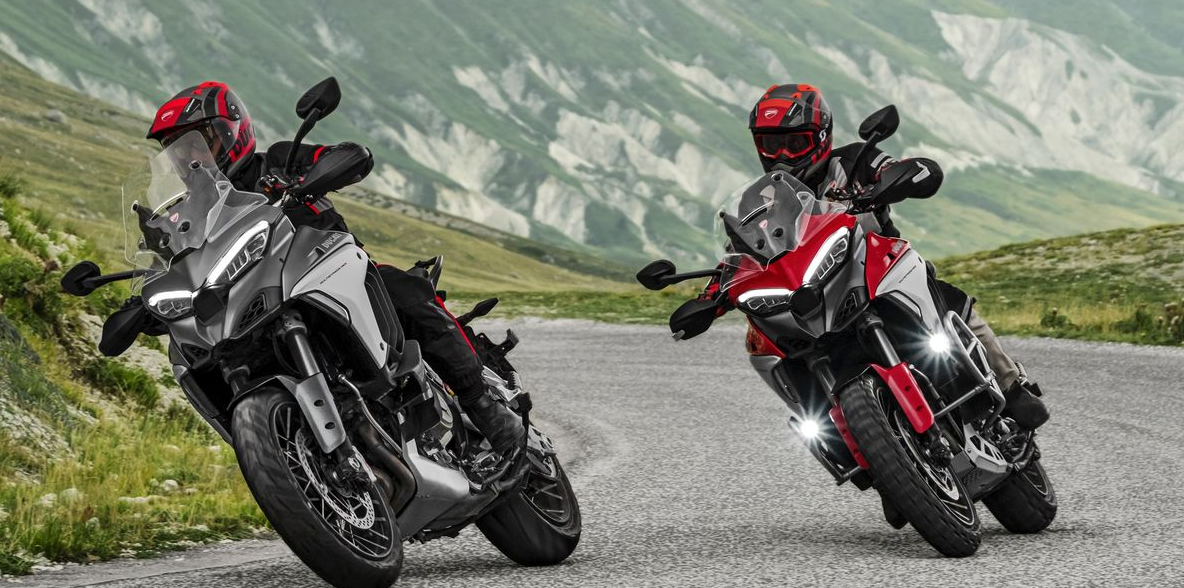
Over time, motorcycles have become more and more popular. As environment enthusiasts, they love having bikes as they are ecologically-friendly compared to other automobiles. They use up less fuel and, in turn, release little to no harmful chemicals to the environment. They are also flexible in more ways than just one. In this article, we have put together some of the reasons one can buy a motorcycle.

Affordability

MotorcyclesWhen compared to a car, a motorcycle costs about a third of what a car would cost. Not only is it cheaper during the purchase but also when it comes to gas and maintenance. Bikes do not break down that easily, and you will find that you spend less time and money on a mechanic when you own your bike. Also, the tires cost less than that of cars.

Diverse Options

Just like a car, you can change out parts of a motorcycle and install the ones you want. Other than just customizing your bike, you can also customize your gear from your boots, gloves, helmet, and leather jackets. You can choose the ones that fit your preference.

Convenience

If you have ever been stuck in traffic, you will understand why it is advantageous to own a motorcycle. Due to its body’s flexibility and the size of its parts, a rider can be able to maneuver its size through traffic, skipping the stress of having to wait. Also, if you need to get somewhere very quickly, using a bike would be the best option. This again is because of the flexibility.

Interactive Riding

Unlike cars, motorcycle riders have to be active when riding. You have to direct the body the way you desire for it to turn. For example, if you do not slant to the right extent when taking a corner, you might be able to make it through. The advantage of this is that it offers you a workout on a daily. The video below gives a couple of tips that are useful to new riders.

Thrill

Riding gives you a thrill that you can relate to freedom and happiness. When the wind is busting through your clothes and the air through your skin, you get this feeling that makes you release feel-good hormones, generating the thrill. 

There are many advantages when it comes to buying a motorcycle. From the thrill to the reliability and many more, it is safe to say that buying a motorcycle is a significant investment.

Related Post

snow

5 Top Mistakes to Avoid When Buying a Used Car5 Top Mistakes to Avoid When Buying a Used Car

Buying a used car might appear straightforward, but without the right approach, it can quickly become a costly decision. Whether you’re upgrading your current vehicle or buying your first, understanding what pitfalls to steer clear of can help protect your finances and your peace of mind. Below are five critical mistakes that many buyers make—mistakes that you’ll want to avoid for a smoother, smarter experience.

Skipping the Vehicle History Report

One of the most frequent oversights buyers make is failing to check the vehicle history report. This document reveals vital information such as accident records, previous ownership, mileage inconsistencies, and whether the car has been classified as salvage. Relying solely on a seller’s description is risky. A quick report through a reputable source could save you from buying a car with a hidden past. Without this step, you’re essentially agreeing to a blindfolded purchase. Even a vehicle that looks spotless on the surface may have been involved in serious accidents or suffered flood damage—issues that are not immediately apparent during a test drive.

Not Getting an Independent Inspection

A common assumption is that a car that “runs fine” must be in excellent condition. This couldn’t be further from the truth. Even if you’re buying from a dealer, it’s worthwhile to invest in a third-party inspection. Mechanics can detect underlying problems that the average buyer would overlook. An independent review isn’t about distrust—it’s a logical layer of protection. It offers a more grounded perspective on the vehicle’s current state and potential repair needs, helping you avoid unpleasant surprises later.

Being Too Eager to Close the Deal

car

Buying a used car involves more than just finding something affordable and paying for it. Many buyers rush into agreements without negotiating or exploring other options. This eagerness can lead to paying more than necessary or agreeing to unfavorable terms. Take your time. Compare vehicles, question the asking price, and don’t hesitate to walk away if something feels off. Sellers are typically more open to reasonable negotiations than they let on. Your willingness to wait and compare can lead to significant savings.

Ignoring Total Ownership Costs

While the upfront price of a used car may look appealing, the long-term costs are equally important. Maintenance, insurance, fuel consumption, and even tax implications should be considered. Some models are notoriously expensive to maintain, and others may be difficult to insure due to limited parts or previous modifications. It’s easy to be lured by a vehicle’s aesthetic or features, but buying without factoring in ownership costs is an expensive misstep. Research model-specific issues and average upkeep costs to assess whether it fits comfortably within your budget in the long run.

sale

Not Researching the Seller

Whether you’re purchasing from a private individual or a dealership, doing some background research on the seller is essential. Look up reviews, ask for references if applicable, and verify their business history. An untrustworthy seller can mask problems, misrepresent facts, or pressure you into a bad deal. It’s also helpful to explore professional services with strong reputations, especially those experienced in transportation logistics. For instance, if you’re dealing with the transfer of a purchased vehicle, experienced operators can help facilitate a smoother, more organised process.

driving

Why Short Drives Can Be Worse for Your Engine Than Long TripsWhy Short Drives Can Be Worse for Your Engine Than Long Trips

Short drives seem harmless. Many people use their cars for quick errands or short commutes. It feels convenient and efficient. However, these short trips can have a negative effect on your engine over time. Unlike long drives, short trips do not allow the engine to reach its optimal operating condition. This difference may seem small, but it can lead to long-term wear and reduced performance. Understanding how this happens can help drivers make better decisions about vehicle use and maintenance.

Engine Warm-up and Operating Temperature

Every engine is designed to work best at a certain temperature. When you start your car, the engine is cold. It takes time for the oil and components to warm up. During this period, the engine is not running at peak efficiency. On a short drive, the engine may never reach this ideal temperature. The trip ends before the system stabilizes. As a result, the engine spends most of its time in a less efficient state. Long trips allow the engine to fully warm up. Once it reaches the proper temperature, the oil flows better, and the parts move smoothly. This reduces strain and helps maintain performance.

Oil Performance and Lubrication

Engine oil plays a critical role in reducing friction. When the engine is cold, the oil is thicker and does not circulate as easily. This can lead to increased wear on internal parts. Short drives do not give the oil enough time to thin out and move effectively. The engine continues to operate under less favorable conditions. Over time, this can affect the lifespan of key components. Longer trips allow the oil to reach the right consistency. This improves lubrication and protects the engine. Proper oil performance is essential for maintaining reliability.

Moisture Build-up Inside the Engine

Moisture Build-up Inside the Engine

Moisture can form inside the engine during operation. This is a normal process. However, it needs to be burned off through heat. Short drives often do not generate enough heat to remove this moisture. As a result, it can accumulate over time. This can lead to corrosion and sludge formation. Long drives help eliminate moisture. The sustained heat allows water vapor to evaporate. This keeps the engine cleaner and reduces the risk of internal damage.

Fuel Efficiency and Combustion Issues

Short trips can also affect fuel efficiency. When the engine is cold, it uses more fuel. This is part of the process to help it warm up. If the drive is too short, the engine remains in this higher fuel consumption phase. This leads to increased fuel use over time. Incomplete combustion can also occur. The engine may not burn fuel as efficiently during short trips. This can result in carbon deposits. These deposits can affect performance and increase maintenance needs.

Battery and Electrical System Strain

Battery and Electrical System Strain

The battery works harder during short drives. Starting the engine requires a significant amount of power. After starting, the alternator recharges the battery. On short trips, there may not be enough time for the battery to fully recharge. Repeated short drives can weaken the battery over time. Longer drives allow the charging system to restore battery levels. This helps maintain a stable electrical system. A well-charged battery supports reliable vehicle operation.

Long-Term Effects on Engine Health

The combined impact of short drives can be significant. Increased wear, moisture build-up, and poor lubrication all contribute to engine stress. These factors may not cause immediate problems, but they can reduce the engine’s lifespan. Maintenance costs may also increase. Issues such as sludge, carbon deposits, and battery problems can require repairs. These costs can add up over time. Balancing short and long drives can help reduce these effects. Occasional longer trips allow the engine to operate under optimal conditions. This helps maintain overall health and performance.

Short drives may seem convenient, but they can place extra strain on your engine. The lack of proper warm-up, reduced oil performance, and moisture build-up all contribute to long-term wear. Understanding these effects helps drivers make informed choices. While short trips cannot always be avoided, combining them with longer drives can improve engine condition. Proper maintenance and mindful driving habits can support better performance. By paying attention to how your vehicle is used, you can help ensure it remains reliable and efficient over time.

pad

Brake Repair Essentials: Signs, Symptoms, and Solutions for Safe DrivingBrake Repair Essentials: Signs, Symptoms, and Solutions for Safe Driving

Your car’s braking system is its lifeline when it comes to ensuring your safety on the road. Understanding the signs, symptoms, and solutions for brake issues is essential for every driver. In this guide, we’ll explore the brake repair essentials to help you keep your vehicle in top-notch condition, ensuring a secure and worry-free driving experience.

Signs of Brake Issues

pedal

One of the primary indicators of brake trouble is unusual noises. If you hear squeaking or squealing when you apply the brakes, it’s likely time to consider replacing the brake pads. These high-pitched sounds serve as an audible reminder to address potential wear and tear. A more serious concern arises when grinding noises accompany braking. This usually signifies brake pads that have worn down entirely. Ignoring grinding sounds can lead to damage to other critical brake components, emphasizing the importance of immediate attention.

If you find your brake pedal feels soft or spongy, it could indicate the presence of air or moisture in the brake fluid. Regular checks and potential bleeding of the brake system can help maintain the fluid’s integrity and keep your braking responsive. Additionally, vibrations or pulsations in the brake pedal or steering wheel during braking may point to unevenly worn brake rotors. Ensuring the smoothness of these components is crucial for effective braking performance.

Symptoms That Require Immediate Attention

repairs

A burning smell while driving or after stopping could suggest overheated brakes. Overheating can lead to brake fade, reducing their effectiveness. Addressing this issue promptly is vital to prevent more severe problems. Modern vehicles come equipped with brake warning lights on the dashboard. Ignoring these lights can lead to more extensive issues. If the brake warning light illuminates, it’s advisable to have the brake system inspected promptly to identify and resolve potential problems. If you notice a significant reduction in braking performance, such as longer stopping distances or increased effort required to brake, it’s a clear indication that the brakes need attention. Reduced braking efficiency compromises safety and warrants immediate action.

Solutions for Safe Driving

driving

Regular brake inspections should be part of your vehicle maintenance routine. Professional inspections can identify potential issues before they escalate, ensuring your brakes are in optimal condition for safe driving. Worn brake pads should be replaced promptly to maintain effective braking. Timely replacement prevents damage to other brake components and ensures safe stopping distances. If you experience vibrations or pulsations, the brake rotors may need resurfacing or replacement. This enhances braking performance and ensures a smoother ride. Regularly flushing and replacing brake fluid according to the manufacturer’s recommendations help maintain proper hydraulic pressure within the brake system, preventing issues like a soft or spongy brake pedal.

Brake repair is a critical aspect of vehicle maintenance, directly impacting your safety on the road. Being attentive to signs and symptoms of brake issues and addressing them promptly ensures that your braking system remains in top condition. Regular inspections, timely maintenance, and swift action when needed are the key elements to keep your brakes performing optimally, promoting a safe and secure driving experience.