

Short drives seem harmless. Many people use their cars for quick errands or short commutes. It feels convenient and efficient. However, these short trips can have a negative effect on your engine over time. Unlike long drives, short trips do not allow the engine to reach its optimal operating condition. This difference may seem small, but it can lead to long-term wear and reduced performance. Understanding how this happens can help drivers make better decisions about vehicle use and maintenance.
Engine Warm-up and Operating Temperature
Every engine is designed to work best at a certain temperature. When you start your car, the engine is cold. It takes time for the oil and components to warm up. During this period, the engine is not running at peak efficiency. On a short drive, the engine may never reach this ideal temperature. The trip ends before the system stabilizes. As a result, the engine spends most of its time in a less efficient state. Long trips allow the engine to fully warm up. Once it reaches the proper temperature, the oil flows better, and the parts move smoothly. This reduces strain and helps maintain performance.
Oil Performance and Lubrication
Engine oil plays a critical role in reducing friction. When the engine is cold, the oil is thicker and does not circulate as easily. This can lead to increased wear on internal parts. Short drives do not give the oil enough time to thin out and move effectively. The engine continues to operate under less favorable conditions. Over time, this can affect the lifespan of key components. Longer trips allow the oil to reach the right consistency. This improves lubrication and protects the engine. Proper oil performance is essential for maintaining reliability.
Moisture Build-up Inside the Engine
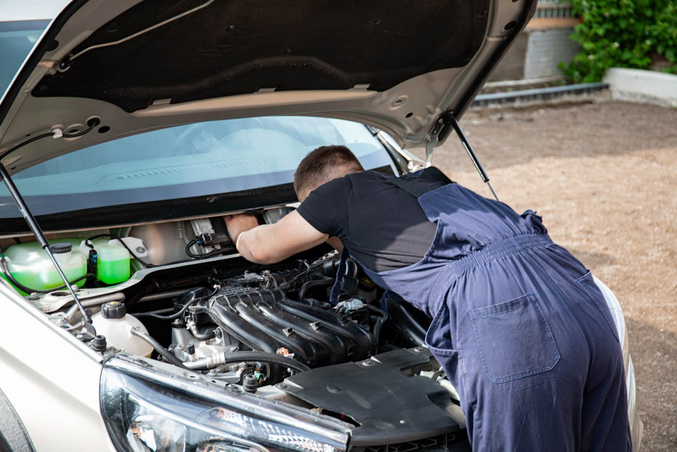
Moisture can form inside the engine during operation. This is a normal process. However, it needs to be burned off through heat. Short drives often do not generate enough heat to remove this moisture. As a result, it can accumulate over time. This can lead to corrosion and sludge formation. Long drives help eliminate moisture. The sustained heat allows water vapor to evaporate. This keeps the engine cleaner and reduces the risk of internal damage.
Fuel Efficiency and Combustion Issues
Short trips can also affect fuel efficiency. When the engine is cold, it uses more fuel. This is part of the process to help it warm up. If the drive is too short, the engine remains in this higher fuel consumption phase. This leads to increased fuel use over time. Incomplete combustion can also occur. The engine may not burn fuel as efficiently during short trips. This can result in carbon deposits. These deposits can affect performance and increase maintenance needs.
Battery and Electrical System Strain

The battery works harder during short drives. Starting the engine requires a significant amount of power. After starting, the alternator recharges the battery. On short trips, there may not be enough time for the battery to fully recharge. Repeated short drives can weaken the battery over time. Longer drives allow the charging system to restore battery levels. This helps maintain a stable electrical system. A well-charged battery supports reliable vehicle operation.
Long-Term Effects on Engine Health
The combined impact of short drives can be significant. Increased wear, moisture build-up, and poor lubrication all contribute to engine stress. These factors may not cause immediate problems, but they can reduce the engine’s lifespan. Maintenance costs may also increase. Issues such as sludge, carbon deposits, and battery problems can require repairs. These costs can add up over time. Balancing short and long drives can help reduce these effects. Occasional longer trips allow the engine to operate under optimal conditions. This helps maintain overall health and performance.
Short drives may seem convenient, but they can place extra strain on your engine. The lack of proper warm-up, reduced oil performance, and moisture build-up all contribute to long-term wear. Understanding these effects helps drivers make informed choices. While short trips cannot always be avoided, combining them with longer drives can improve engine condition. Proper maintenance and mindful driving habits can support better performance. By paying attention to how your vehicle is used, you can help ensure it remains reliable and efficient over time.