
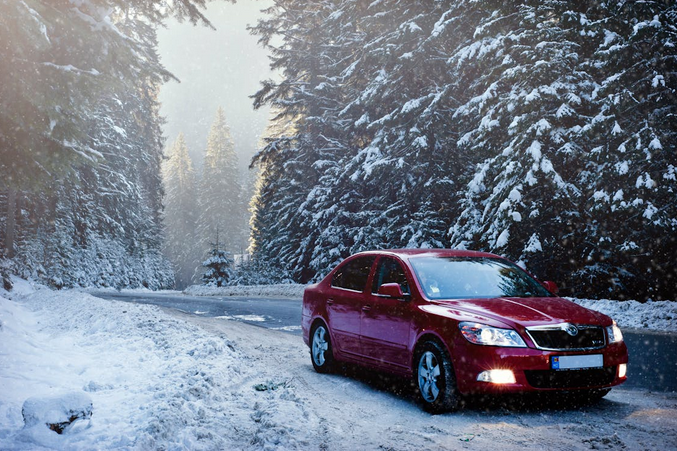
Buying a used car might appear straightforward, but without the right approach, it can quickly become a costly decision. Whether you’re upgrading your current vehicle or buying your first, understanding what pitfalls to steer clear of can help protect your finances and your peace of mind. Below are five critical mistakes that many buyers make—mistakes that you’ll want to avoid for a smoother, smarter experience.
Skipping the Vehicle History Report
One of the most frequent oversights buyers make is failing to check the vehicle history report. This document reveals vital information such as accident records, previous ownership, mileage inconsistencies, and whether the car has been classified as salvage. Relying solely on a seller’s description is risky. A quick report through a reputable source could save you from buying a car with a hidden past. Without this step, you’re essentially agreeing to a blindfolded purchase. Even a vehicle that looks spotless on the surface may have been involved in serious accidents or suffered flood damage—issues that are not immediately apparent during a test drive.
Not Getting an Independent Inspection
A common assumption is that a car that “runs fine” must be in excellent condition. This couldn’t be further from the truth. Even if you’re buying from a dealer, it’s worthwhile to invest in a third-party inspection. Mechanics can detect underlying problems that the average buyer would overlook. An independent review isn’t about distrust—it’s a logical layer of protection. It offers a more grounded perspective on the vehicle’s current state and potential repair needs, helping you avoid unpleasant surprises later.
Being Too Eager to Close the Deal

Buying a used car involves more than just finding something affordable and paying for it. Many buyers rush into agreements without negotiating or exploring other options. This eagerness can lead to paying more than necessary or agreeing to unfavorable terms. Take your time. Compare vehicles, question the asking price, and don’t hesitate to walk away if something feels off. Sellers are typically more open to reasonable negotiations than they let on. Your willingness to wait and compare can lead to significant savings.
Ignoring Total Ownership Costs
While the upfront price of a used car may look appealing, the long-term costs are equally important. Maintenance, insurance, fuel consumption, and even tax implications should be considered. Some models are notoriously expensive to maintain, and others may be difficult to insure due to limited parts or previous modifications. It’s easy to be lured by a vehicle’s aesthetic or features, but buying without factoring in ownership costs is an expensive misstep. Research model-specific issues and average upkeep costs to assess whether it fits comfortably within your budget in the long run.

Not Researching the Seller
Whether you’re purchasing from a private individual or a dealership, doing some background research on the seller is essential. Look up reviews, ask for references if applicable, and verify their business history. An untrustworthy seller can mask problems, misrepresent facts, or pressure you into a bad deal. It’s also helpful to explore professional services with strong reputations, especially those experienced in transportation logistics. For instance, if you’re dealing with the transfer of a purchased vehicle, experienced operators can help facilitate a smoother, more organised process.

 Before you even consider picking up your rental car, ensure that your driving credentials are in order. Most countries require a valid domestic driving license, and many also mandate an International Driving Permit (IDP). An IDP translates your license into multiple languages, making it easier for local authorities to verify your qualifications. Check the specific driving requirements of the country you are visiting to avoid any legal issues. Additionally, make sure your driving license is current and not nearing expiration.
 Carefully read and understand the rental agreement, including the terms and conditions. Pay attention to details such as fuel policies, mileage limits, and late return fees. Be aware of any additional charges that may apply, such as those for extra drivers or GPS systems. Knowing the rental terms will help you avoid unexpected fees and ensure that you are aware of your responsibilities as a renter. Renting a car in a new country can greatly enhance your travel experience, offering the flexibility to explore at your own pace.


 Lastly, it would help to examine the return policy and warranty of the auto part you purchased before completing it. A good vendor will offer a generous return policy and a lengthy product warranty. This will ensure that you get a quality product and can return it quickly if needed. In addition, a good warranty will give you peace of mind if something goes wrong with your part. In conclusion, if you follow these five essential tips for buying auto parts online, you can save money and ensure that the amount you purchase is compatible with your vehicle.

 While it’s not always necessary, installing a snorkel is a great way to ensure your engine can get the oxygen it needs when crossing through water. This modification will help keep your engine from ingesting water and stalling out in the middle of a stream or river.
 Among all, the most vital modification for off-roading is a roll cage. Not only does it add an extra layer of safety, but it also ties the body together and gives your vehicle additional strength and stability. Make sure to look for one made from high-quality materials designed specifically for your 4×4. Additionally, consider installing some body protection, such as skid plates and rock sliders, to protect your 4×4 from the bumps and debris of off-roading.
 The catalytic converter is designed to reduce harmful emissions from exhaust gasses. It converts carbon monoxide, hydrocarbons and nitrogen oxides into harmless compounds like water vapor and nitrogen gas.
 The exhaust pipes are responsible for carrying the gasses away from the engine. They come in various materials, including stainless steel, aluminum and mild steel. The size and shape of these pipes affect the sound of your car’s exhaust, so it’s important to get the right fit for your vehicle.
 An excellent personal mechanic will have extensive knowledge and experience with the type of car that you own. They will be familiar with your vehicle’s inner workings, so they can quickly diagnose any issues and get them fixed on time. Even with DIY car repairs, you may not have the proper tools or knowledge to diagnose and repair an issue. A personal mechanic will also be able to give you helpful insights into maintaining your car that can help prevent costly repairs in the future.
 A reliable personal mechanic will provide you with genuine services. They will not try to sell you unnecessary repairs or parts, and they can recommend the best course of action for your car based on their knowledge and experience. There have been cases of mechanics messing around with cars to increase their profit, but that won’t be an issue when you have a reliable personal mechanic. Overall, having a reliable personal mechanic is essential for any car owner.
 When compared to a car, a motorcycle costs about a third of what a car would cost. Not only is it cheaper during the purchase but also when it comes to gas and maintenance. Bikes do not break down that easily, and you will find that you spend less time and money on a mechanic when you own your bike. Also, the tires cost less than that of cars.
 As there are many online stores, some car owners find it overwhelming, and the fact that most stores claim to be the best makes the situation more challenging. To find the best auto parts store online, you should consider the types of auto parts being old. You do not have to be an experienced car mechanic to know that vehicles are made with many components. If your car has a mechanical problem, it may need a particular car part to be replaced.
 The second factor you should consider when chasing an online auto store is the price. As you will find out when you visit several online stores, retailers tend to sell auto parts at different prices. Each person has financial capabilities that vary, and this means that you will have an ideal price in mind that may not be the same as what others view as suitable.